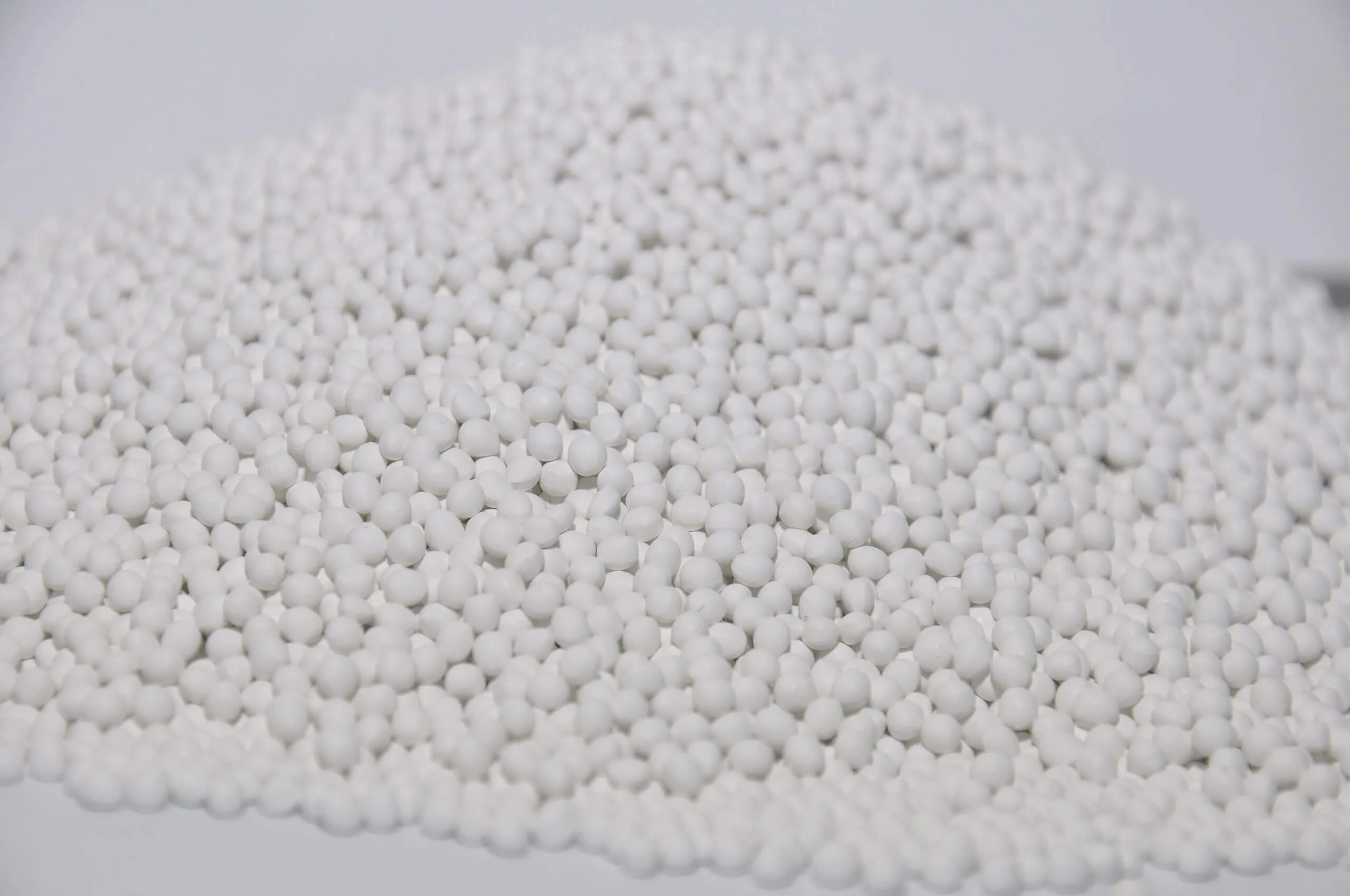
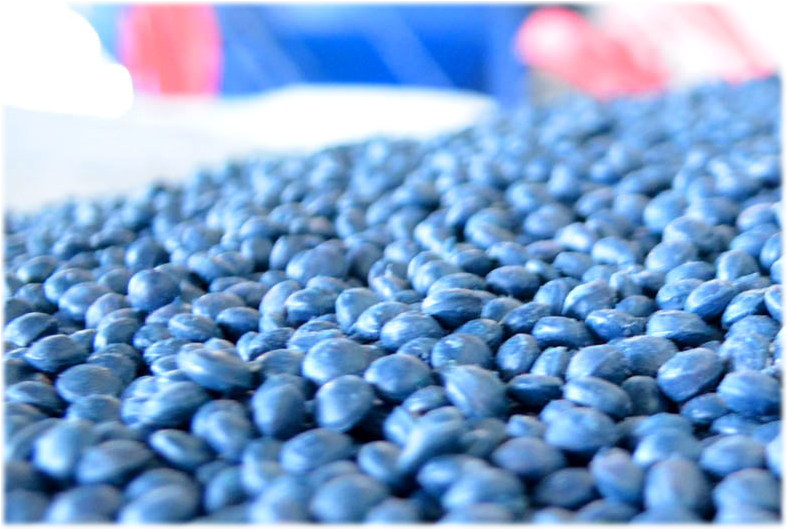
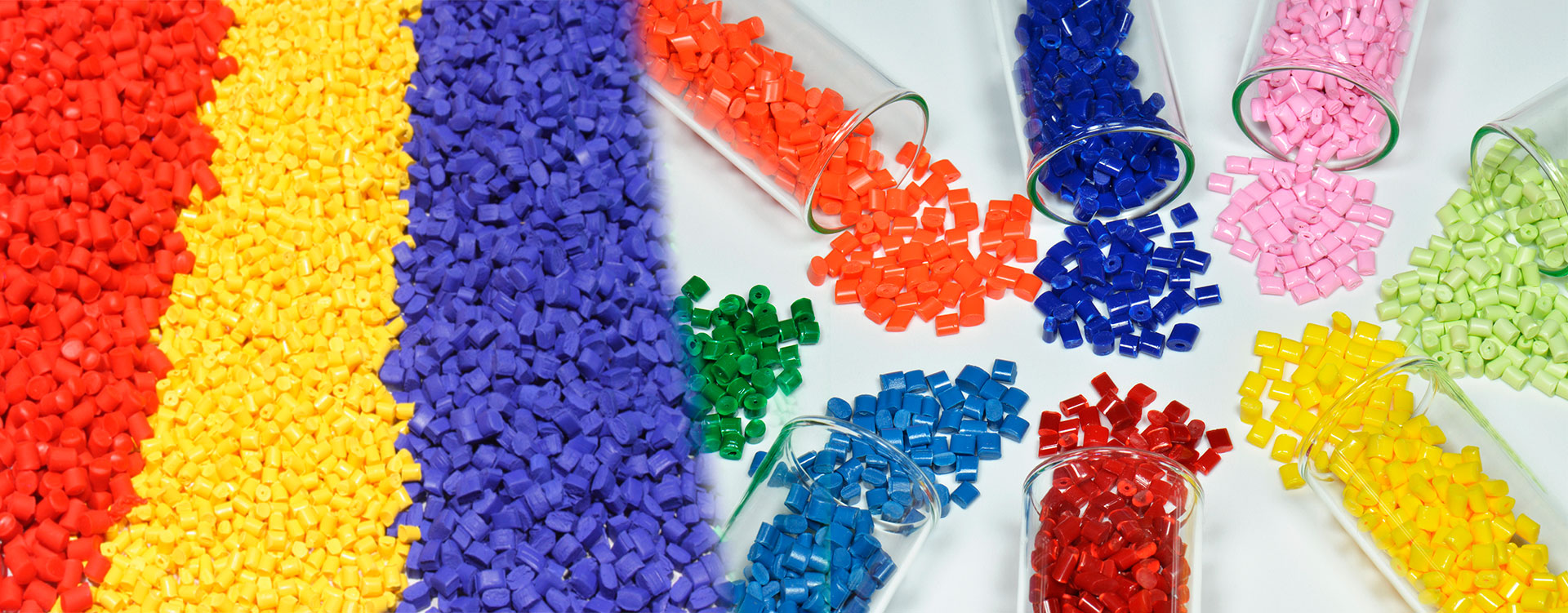
PVC (Polyvinyl Chloride) is one of the most widely used and mass-produced thermoplastics in the world. Thanks to its high durability, long service life, and excellent processability, it offers a broad range of applications across construction, packaging, medical products, and the electrical industry. Its ability to be produced in both rigid (uPVC) and flexible (S-PVC) forms allows cost-effective solutions tailored to different industrial needs.
PVC is a thermoplastic polymer produced by the polymerization of vinyl chloride monomer (VCM). Due to its high chlorine content, it exhibits excellent flame-retardant properties and strong chemical resistance. Depending on the additives used during production, PVC can be manufactured in rigid or flexible forms.
PVC shows high resistance to acids, bases, oils, and most industrial chemicals, making it highly reliable for industrial applications.
Due to its chlorine content, PVC has low flammability and tends to self-extinguish when exposed to fire.
PVC offers excellent resistance to environmental conditions such as UV radiation, moisture, water, and temperature variations. As a result, it can achieve service lifespans of up to 50 years in certain applications.
PVC is available in different structural forms:
PVC is a low-cost polymer suitable for large-scale production, making it an ideal material in terms of cost-performance balance.
PVC is one of the most widely used plastics in construction:
Flexible PVC is widely used in healthcare applications:
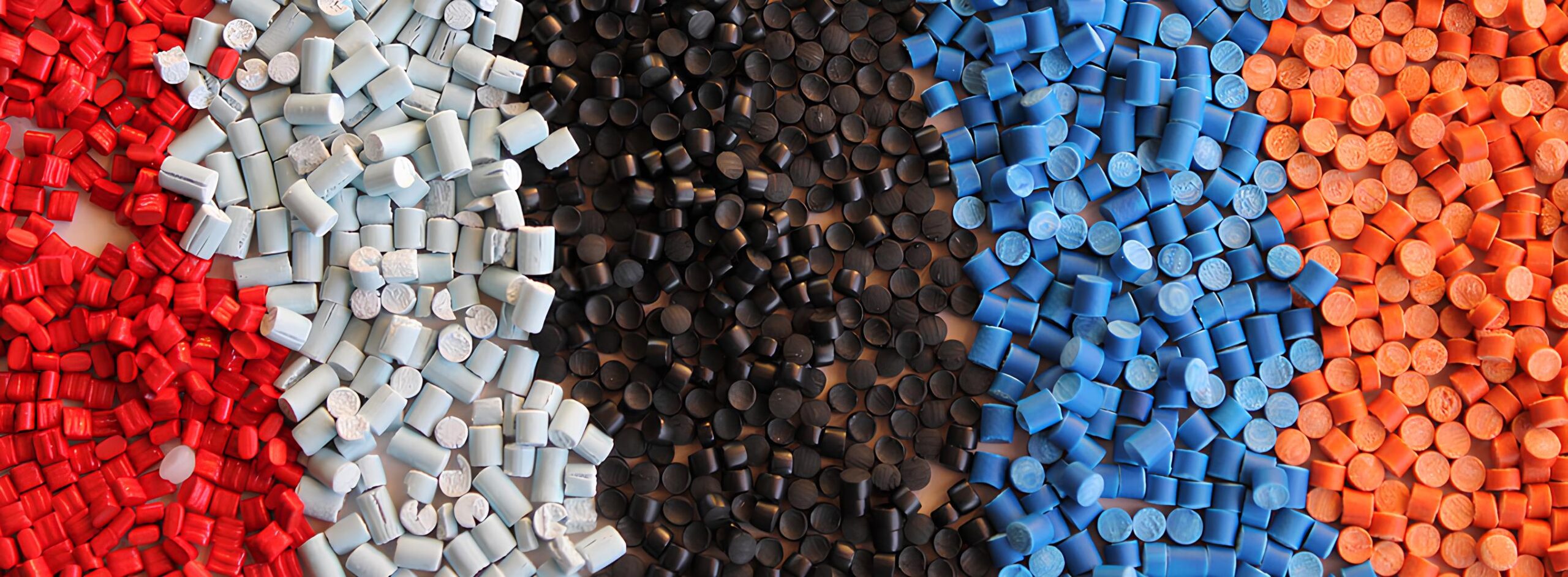
PVC granules provide manufacturers with both economic and functional benefits.
PVC Plastic (Polyvinyl Chloride) is a durable, long-lasting, and highly versatile thermoplastic widely used across modern industries. Its ability to be produced in rigid and flexible forms enables applications ranging from construction and electronics to medical and packaging sectors. With its flame resistance, chemical durability, and low cost, PVC remains one of the most essential materials in global industrial production systems.



sezaiozmen@ydspolymer.com
+90 532 568 9357
2 Yazovirska Str. 6600 Kardzhali / Bulgaria